Dodoswap Is a DeFi Swap Metrics, Volume and TVL Guide
Dodoswap Is a practical way to understand DODO-related decentralized exchange activity, including swaps, liquidity, total value locked, trading volume, fees, revenue, and multichain usage. For users researching Dodoswap, the core idea is simple: it connects on-chain token trading with liquidity tools, while public DeFi dashboards help readers evaluate activity before interacting with wallets, pools, or the DODO token. Always verify live data through official interfaces and trusted analytics sources before making decisions.
Dodoswap matters because a swap interface is only one part of the experience. A user also needs to understand where liquidity is coming from, which chains are active, how fees are generated, and what risks exist when a protocol operates across several blockchain networks. The name Dodoswap is often used by searchers looking for the DODO exchange experience, DODO swap routes, DEX volume, and token liquidity information in one place.
The protocol behind Dodoswap is associated with decentralized finance, automated market making, and on-chain liquidity. In practice, Dodoswap can be researched like other DEX systems: by looking at smart contract activity, supported networks, token pairs, historical volume, and the quality of available liquidity. That perspective helps users move beyond a simple price chart and toward a broader view of how the market is functioning.
What is Dodoswap?
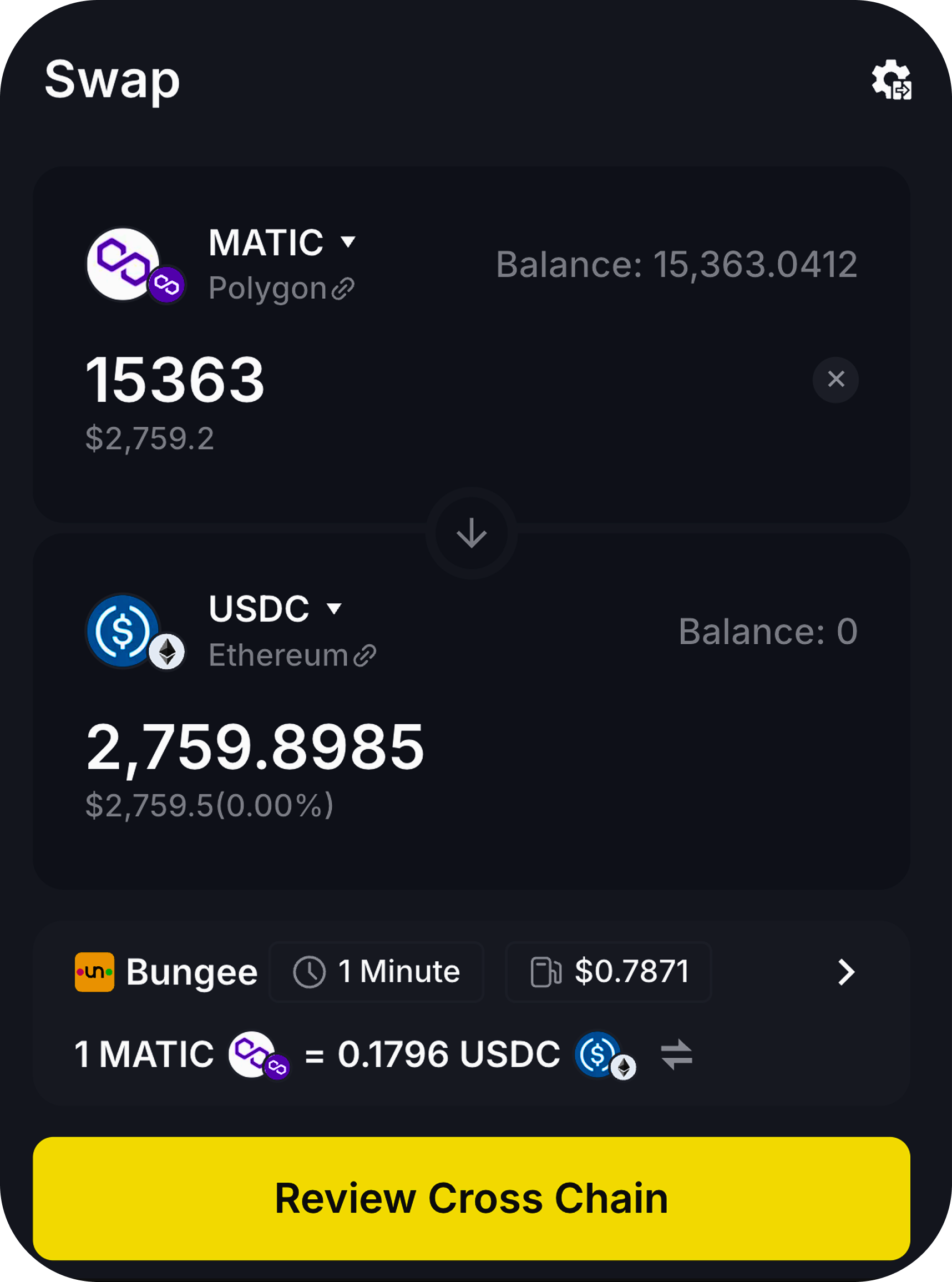
Dodoswap is commonly understood as the swap and liquidity experience connected with DODO, a decentralized exchange protocol in the DeFi market. Instead of relying on a traditional centralized order book controlled by a single company, Dodoswap activity happens through blockchain-based contracts and liquidity pools. Users typically connect a compatible wallet, choose a token pair, review the quoted output, approve the transaction if needed, and submit the swap on the selected network.
Dodoswap should not be treated as just another button for exchanging tokens. It sits inside a broader set of DeFi concepts: liquidity providers, routers, slippage tolerance, gas fees, bridge risk, token contract verification, and pool depth. A user who understands these concepts is better prepared to compare Dodoswap with other decentralized exchange options and to recognize when a trade quote may be inefficient or risky.
Because Dodoswap is linked to DODO, readers may also encounter the DODO token, governance references, and data about fees or revenue. These details can be useful, but they do not guarantee future value, safety, or returns. Crypto markets change quickly, and Dodoswap metrics can move with token demand, chain activity, incentive programs, liquidity migration, and market conditions.
How does Dodoswap work for token swaps?
Dodoswap works by matching a user request with available on-chain liquidity. When someone wants to swap one token for another, the interface or router estimates the output based on pool balances, pricing logic, liquidity depth, and network costs. The final transaction is then executed through a smart contract after the user confirms it in a wallet such as a browser extension or mobile wallet.
Dodoswap users should pay attention to slippage. Slippage is the difference between the expected trade result and the executed result. It can occur when liquidity is thin, when a token is volatile, or when other transactions move the pool before a trade confirms. Dodoswap may be useful for certain token pairs, but the quality of the route depends on live conditions rather than the brand name alone.
The protocol may also operate across multiple chains. Research context around DODO commonly references activity on networks such as Ethereum, BNB Chain, Polygon, Arbitrum, Avalanche, Base, and other ecosystems. Dodoswap users should verify the exact chain and token contract before approving a transaction, because using the wrong network or a fake token contract can lead to permanent loss of funds.
Which Dodoswap metrics should users understand?
Dodoswap research often starts with total value locked, trading volume, fees, and revenue. Total value locked, usually shortened to TVL, estimates the value of assets deposited into protocol-related contracts. DEX volume measures the amount of trading activity over a period such as 24 hours, 7 days, or 30 days. Fees show what traders paid to use liquidity, while revenue may represent the portion retained by the protocol depending on its economics.
Dodoswap metrics are useful because they show different sides of protocol activity. High volume with low TVL can suggest very active trading against a smaller liquidity base. Higher TVL with weak volume may suggest capital is present but not being used heavily. Fees can indicate trader demand, but users should distinguish gross fees from protocol revenue, liquidity provider earnings, and token holder benefits.
Dodoswap data is also often broken down by chain. A multichain protocol may have meaningful TVL on one network while most trading volume happens elsewhere. For example, one chain might show stronger liquidity for stable assets, while another chain might host higher activity for a specific token pair. Dodoswap users should interpret chain-level data carefully because gas costs, bridge availability, incentives, and user behavior differ from network to network.
- TVL helps estimate how much liquidity is committed to protocol contracts.
- DEX volume shows how much trading activity is flowing through swaps.
- Fees indicate what traders are paying to access liquidity.
- Revenue helps separate protocol capture from raw trading fees.
- Chain breakdowns show where Dodoswap activity is concentrated.
Dodoswap metrics should be treated as changing indicators rather than fixed facts. A dashboard snapshot may be accurate at the time it is displayed, but crypto markets can change within minutes. Before using Dodoswap or evaluating the DODO token, users should check live official sources, analytics dashboards, wallet warnings, and the actual transaction preview.
How do users typically get started with Dodoswap?
Dodoswap usually begins with preparation rather than a trade. A new user should first identify the official DODO or Dodoswap interface, confirm the correct URL through trusted sources, and make sure their wallet is on the intended network. This matters because phishing sites, copied interfaces, and fake token pages are common problems across decentralized finance.
Dodoswap interaction generally follows a familiar DeFi workflow. The user connects a wallet, selects the chain, chooses the token they want to sell, chooses the token they want to receive, reviews the expected output, checks slippage settings, approves token spending if required, and confirms the swap. Each step should be reviewed because wallet approvals and smart contract permissions can create ongoing exposure if they are too broad.
For a new user, Dodoswap is easier to understand when the first transaction is small. A test transaction can confirm that the wallet, chain, token contract, and interface are working as expected. This does not remove risk, but it can reduce the damage caused by a wrong address, wrong network, or unexpected fee. Larger transactions deserve more careful review of liquidity depth and price impact.
What are the main uses of Dodoswap?
Dodoswap is mainly used for token swaps, liquidity access, and market research around DODO-related DeFi activity. Traders may use Dodoswap to exchange assets without depositing funds into a centralized exchange. Liquidity providers may research pools to understand potential fee generation and risks. Analysts may track Dodoswap metrics to compare DODO activity across chains and time periods.
Dodoswap can also be part of a broader DeFi workflow. A user might bridge assets to a network, swap tokens, provide liquidity, manage wallet approvals, and then monitor positions through portfolio tools. Each action adds complexity. The convenience of Dodoswap does not remove the need to understand gas fees, bridge delays, smart contract exposure, and token volatility.
Some users search for Dodoswap because they see a token listed as tradable through DODO-related venues. That does not mean the token is safe, official, liquid, or fairly priced. Dodoswap can make a token accessible, but accessibility is not the same as quality. Users should confirm token contracts, holder distribution, liquidity locks where relevant, project documentation, and independent risk signals.
What are the benefits and limits of Dodoswap?
Dodoswap may appeal to users because decentralized exchange systems can provide wallet-based access, transparent on-chain transactions, and multichain liquidity. A user can often inspect swaps on a block explorer, compare routes, and understand whether activity is concentrated on Ethereum, BNB Chain, Polygon, Arbitrum, or other networks. That transparency is one of the main reasons DeFi users research Dodoswap metrics.
At the same time, Dodoswap has practical limits. A swap can fail because gas prices change, liquidity moves, slippage is too tight, or the selected network is congested. A quoted price can be unattractive when the pool is shallow. A token can be tradable but still risky because of poor liquidity, centralized ownership, unaudited contracts, or sudden market movement.
| Area | What to Check | Why It Matters |
|---|---|---|
| Liquidity | Pool depth and price impact | Thin liquidity can make trades expensive. |
| Network | Correct chain and gas token | Wrong networks can lead to failed or lost transactions. |
| Token | Verified contract address | Fake tokens can imitate real assets. |
| Approvals | Spending limits in the wallet | Overly broad approvals increase exposure. |
Dodoswap benefits are strongest when users combine convenience with verification. A clean interface and a recognizable protocol name are helpful, but the final responsibility still sits with the wallet holder. In DeFi, transactions are usually irreversible, and support teams may not be able to recover assets sent through a mistaken or malicious transaction.
Is Dodoswap safe to use?
Dodoswap safety depends on several layers: the official interface, the smart contracts, the selected chain, the token being traded, wallet hygiene, and the user's transaction settings. No DeFi swap tool can be considered risk-free. Even established protocols can face contract bugs, oracle issues, liquidity shocks, governance disputes, phishing campaigns, or failures in connected infrastructure.
Dodoswap users should verify details with official sources before connecting a wallet. They should avoid links from unsolicited messages, ads, copied social accounts, and unknown token communities. A user should also review wallet pop-ups carefully, especially when approving token spending. If an approval asks for unlimited access, it may be convenient, but it also creates more risk if a contract or interface is compromised.
Dodoswap risk is not only technical. Market risk can be just as important. Token prices can move sharply, liquidity can disappear, and volume can decline. A dashboard may show strong historical DEX volume or cumulative fees, but past activity does not guarantee future activity. Dodoswap should be evaluated as a tool, not as a promise of profit.
How does Dodoswap compare with other DEX options?
Dodoswap can be compared with other decentralized exchanges by looking at route quality, chain support, token availability, liquidity depth, fees, user experience, and smart contract history. A popular DEX is not always the best route for every trade. Sometimes Dodoswap may show competitive output for a pair; other times another liquidity source or aggregator may provide a better result.
Dodoswap comparison should include both swap execution and research metrics. A user evaluating Dodoswap against alternatives should ask where volume is coming from, whether liquidity is durable, how much activity comes from incentives, and whether fees translate into sustainable protocol revenue. These questions help separate short-term bursts of trading from deeper market adoption.
In practice, many DeFi users do not rely on one venue alone. They compare Dodoswap quotes with aggregators, check the same token on more than one chain, and review block explorer data before confirming a meaningful transaction. This approach does not guarantee a good outcome, but it helps users avoid obvious errors and understand the tradeoffs before signing.
What should users remember before using Dodoswap?
Dodoswap is best approached as a DeFi tool that requires active verification. It can help users access token swaps and liquidity, and it can provide useful signals through metrics such as TVL, volume, fees, revenue, and chain distribution. Those signals are informative, but they are not instructions to buy, sell, provide liquidity, or hold any token.
Dodoswap users should keep a simple process: confirm the official source, verify the token contract, check liquidity and price impact, understand gas fees, review approvals, and start small when testing a new workflow. For larger trades, it is sensible to compare multiple routes and review live market data. Dodoswap can be useful, but careful execution matters more than speed.
Dodoswap also belongs to a fast-changing market. Supported chains, pool depth, fee patterns, and DODO token conditions may change over time. Anyone using Dodoswap should treat this guide as educational information and verify live details before acting. DeFi rewards careful readers, and the safest habit is to check every transaction before signing it.
Questions and Answers
What is Dodoswap used for?
Dodoswap is used to research and perform decentralized token swaps connected with the DODO DeFi ecosystem. Users may look at Dodoswap for wallet-based trading, liquidity access, DEX volume, TVL, fees, and chain-level activity. It should be treated as a DeFi tool rather than a guaranteed investment opportunity, and users should verify live details before connecting a wallet or confirming transactions.
How does Dodoswap work?
Dodoswap works through blockchain-based smart contracts and liquidity sources. A user connects a compatible wallet, selects tokens, reviews the estimated output, checks slippage and gas costs, approves token spending if necessary, and confirms the transaction. The final result depends on pool liquidity, network conditions, token volatility, and the exact transaction settings shown in the wallet.
Is Dodoswap the same as DODO?
Dodoswap is commonly used by searchers to refer to swap activity or the exchange experience associated with DODO. DODO is the broader DeFi protocol and token ecosystem, while Dodoswap usually describes the act of swapping or the swap-focused interface. Users should still confirm official branding, URLs, token contracts, and supported networks through trusted sources.
What Dodoswap metrics should I check before using it?
Before using Dodoswap, review total value locked, DEX volume, pool liquidity, price impact, fees, revenue, supported chains, and the token contract being traded. TVL and volume can show activity, but they do not prove safety or future performance. Also check wallet approvals, gas fees, and whether the route is competitive compared with other available DeFi options.
Is Dodoswap safe for beginners?
Dodoswap can be approachable for beginners who understand basic wallet and DeFi practices, but it is not risk-free. New users should start with small test transactions, verify the official site, confirm token contracts, avoid suspicious links, and read wallet approval prompts carefully. Smart contract risk, phishing, slippage, fake tokens, and market volatility can all affect the outcome.
Does Dodoswap support multiple blockchain networks?
DODO-related activity is commonly tracked across multiple networks, including major DeFi chains such as Ethereum, BNB Chain, Polygon, Arbitrum, Avalanche, Base, and others depending on current deployments. Dodoswap users should confirm the exact supported chain in the official interface before trading, because assets and gas tokens are network-specific and sending funds on the wrong chain can cause losses.
Can Dodoswap metrics predict the DODO token price?
Dodoswap metrics can help users understand protocol activity, but they cannot reliably predict the DODO token price. Volume, TVL, fees, and revenue may provide context about usage, yet token prices also depend on broader market sentiment, liquidity, unlocks, governance, exchange listings, and speculation. Treat metrics as research inputs, not as financial advice or guaranteed signals.